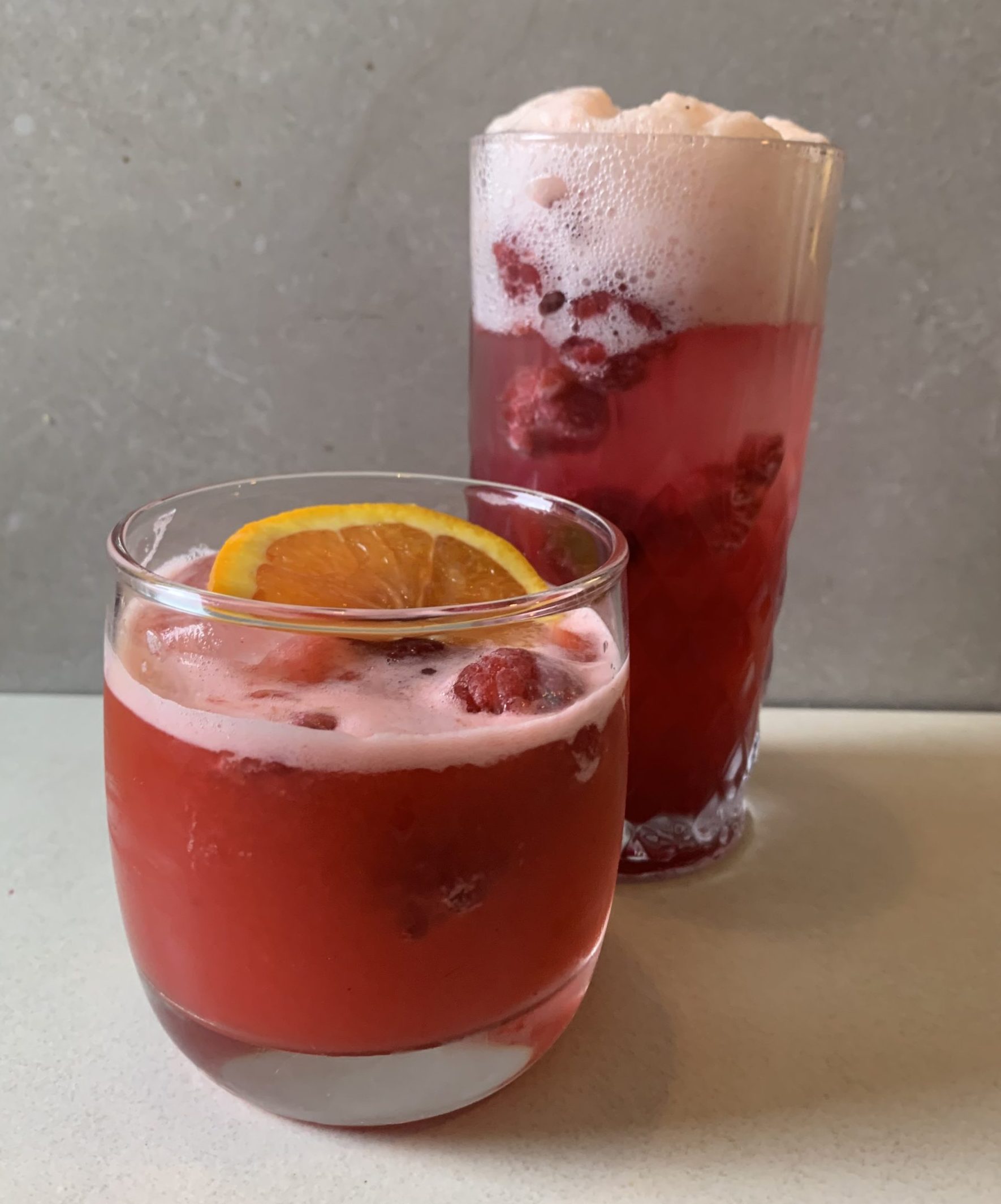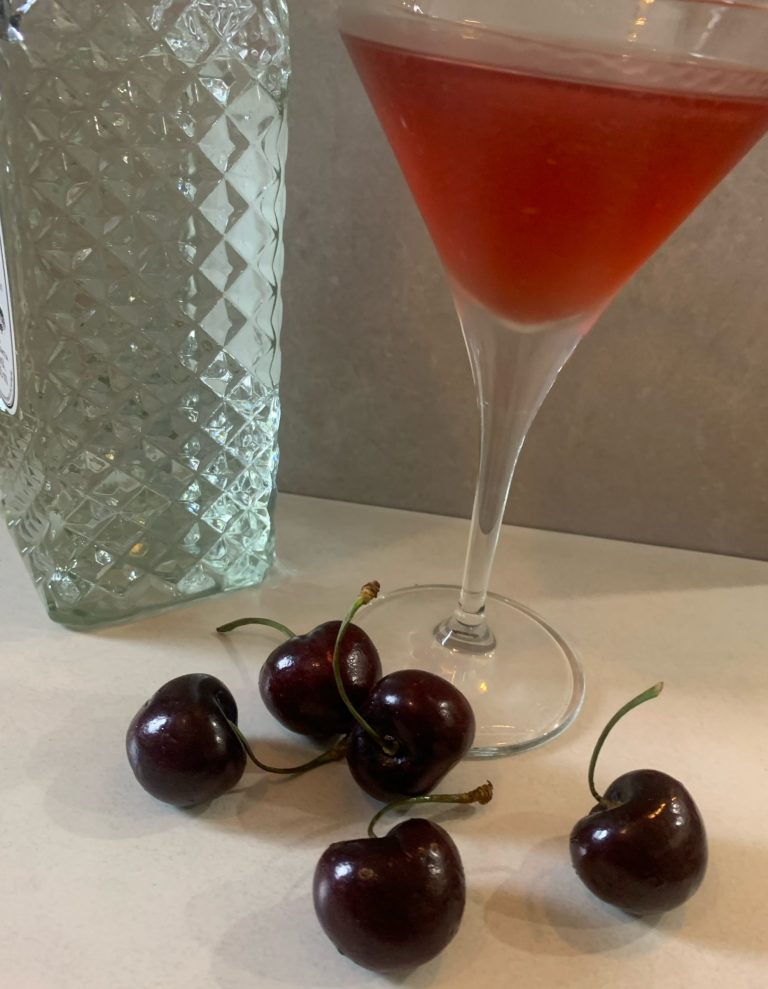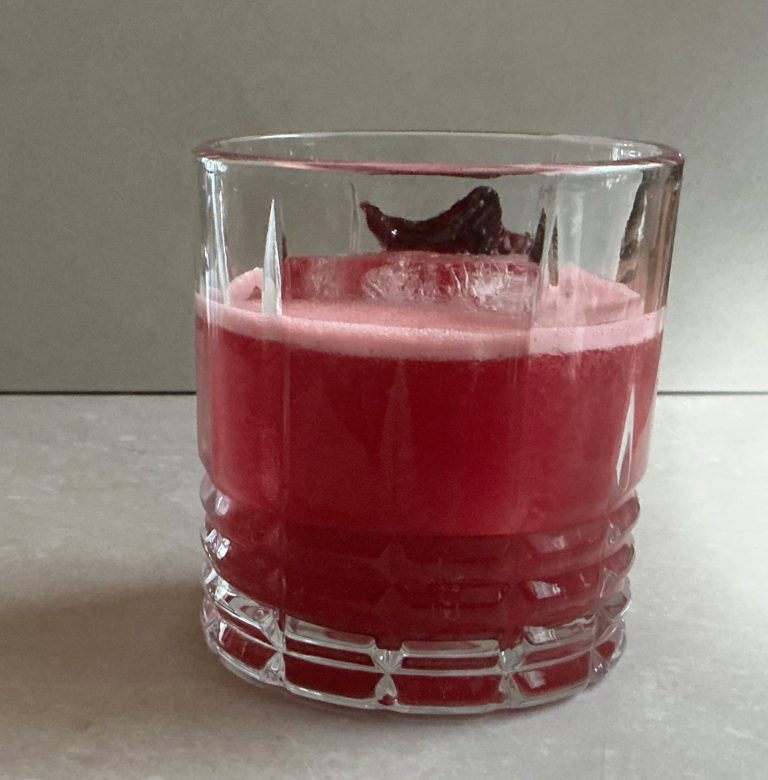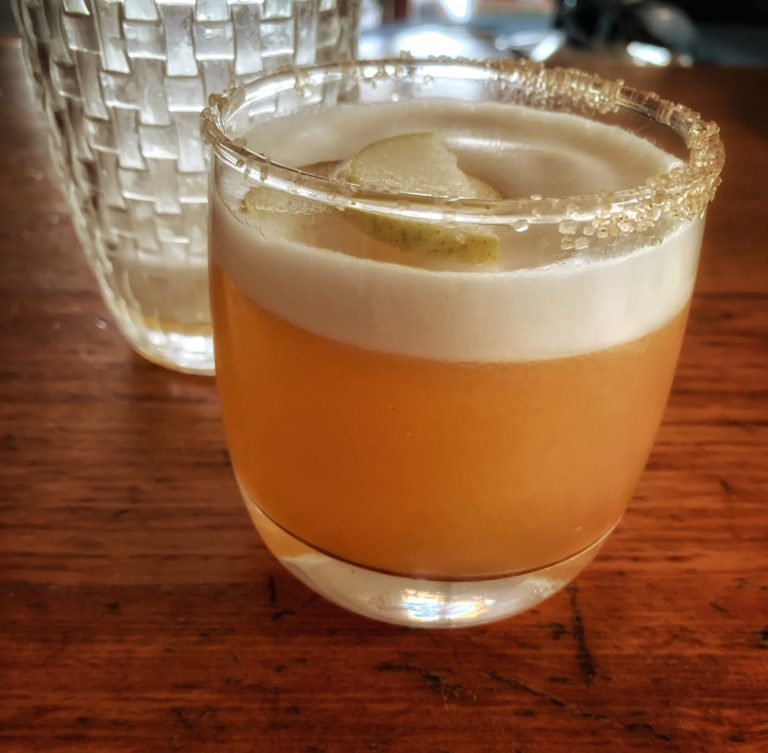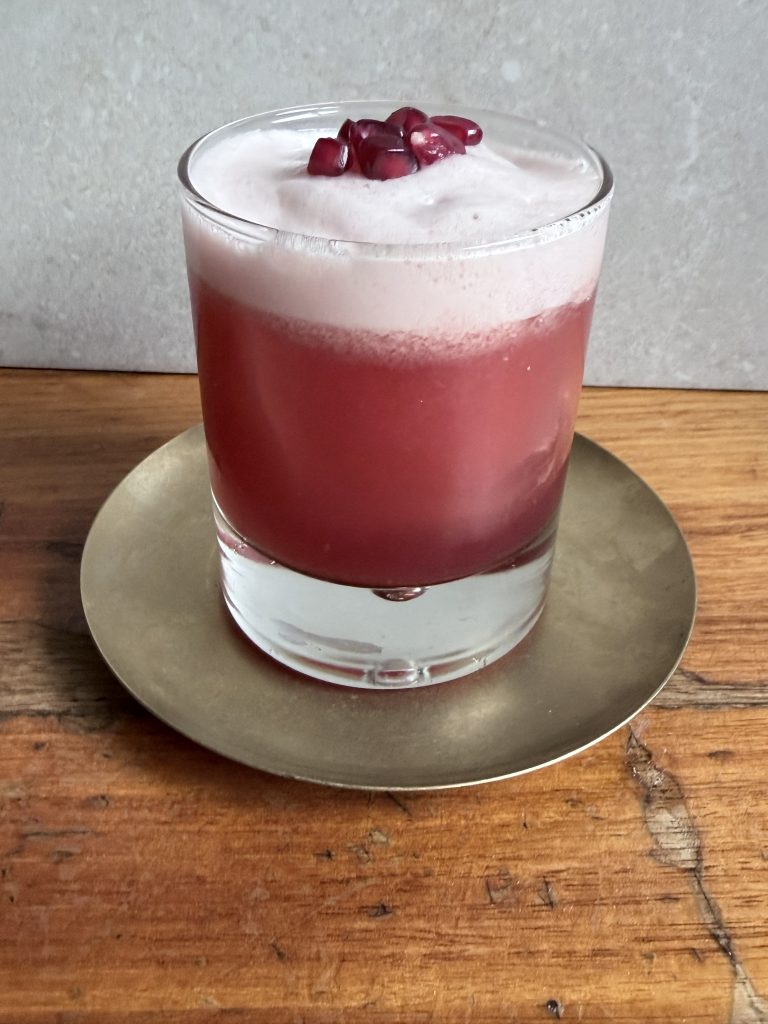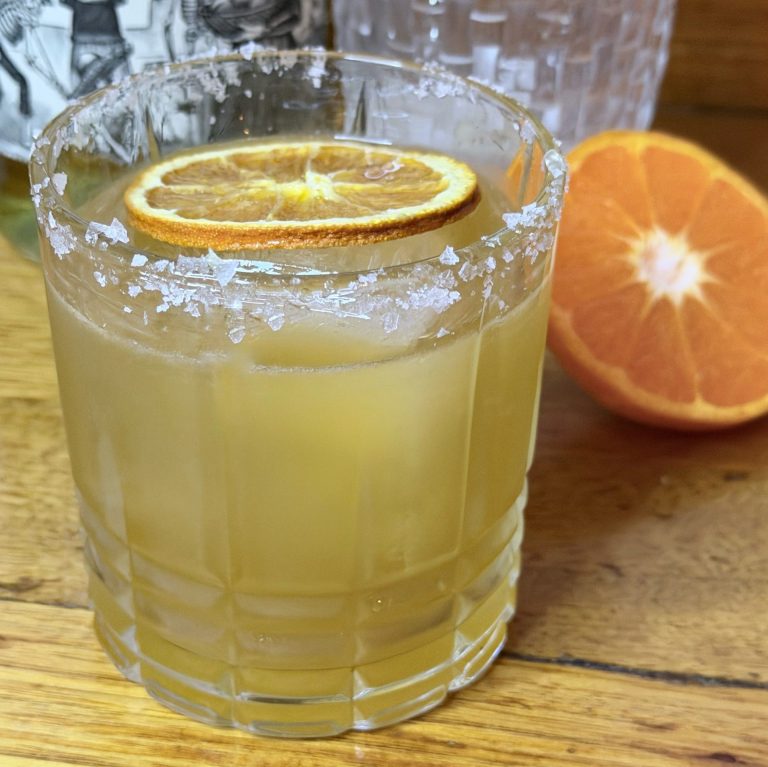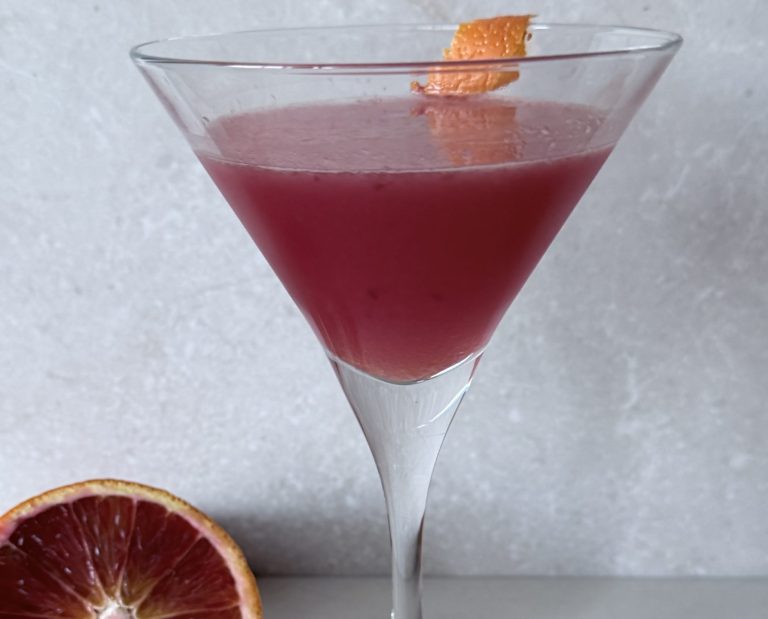
When I first started properly experimenting with cocktails at home — beyond a vodka, lime and soda or a straightforward vodka martini — it was during an era when many of us ventured into some new and occasionally questionable creative territory: COVID lockdown. Living in one of the most locked-down parts of the world, in terms of frequency, duration and restrictions, trying a new cocktail became a bit of a weekend ritual.
At that point, I wasn’t creating many cocktails of my own. It was more about trying to recreate the drinks I’d ordered at bars but had never attempted at home. That period of experimentation sold me on both the value and relative ease of making a quality cocktail yourself.
Now, don’t get me wrong, I still love going out and having someone make one for me. But cocktails are practically the cost of a meal in my part of the world, so it’s not something I do all that often. Being able to whip up a genuinely good cocktail at home is a rather useful skill — and it’s much easier than most people think.
I’m not a bartender or a mixologist. I’m simply someone who enjoys making quality food and drinks at home, whether it’s for myself, friends or family. So this isn’t an exhaustive guide to the art of mixology. These are the practical tips I’ve picked up along the way that have made the biggest difference to the drinks I make at home — from what’s actually worth buying to getting the balance right.
And let’s not forget the mocktails. Leaving out the alcohol shouldn’t mean leaving out the thought and effort. A really good alcohol-free drink deserves just as much care as its boozy counterpart.
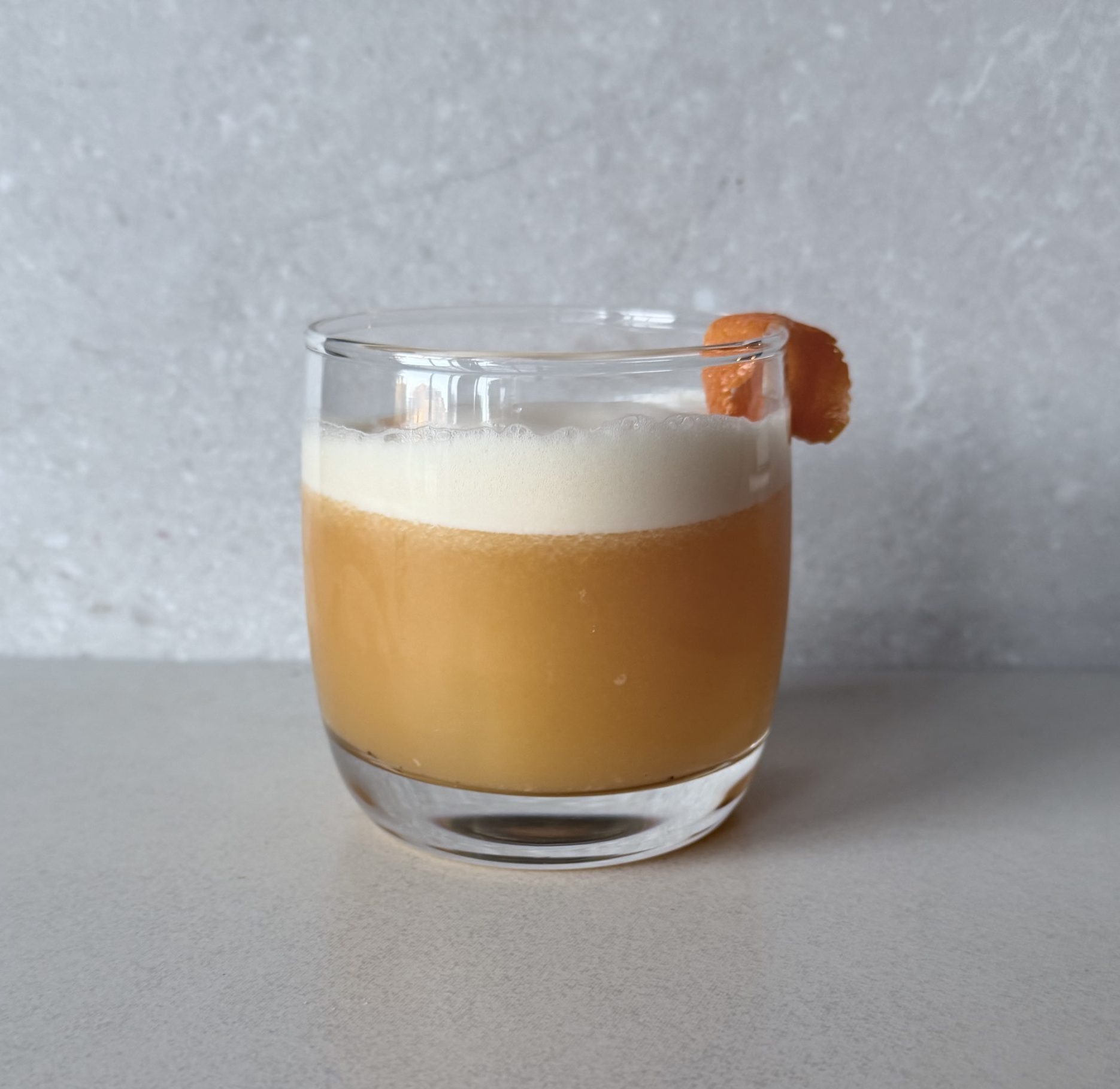
Setting Up A Home Bar
It doesn’t take much to set up a cocktail-worthy bar at home, and you certainly don’t need a dedicated bar or fancy drinks trolley to store everything. The equipment list is surprisingly short and, if you keep it simple, inexpensive. Top-notch professional gear really isn’t necessary for making a great drink at home.
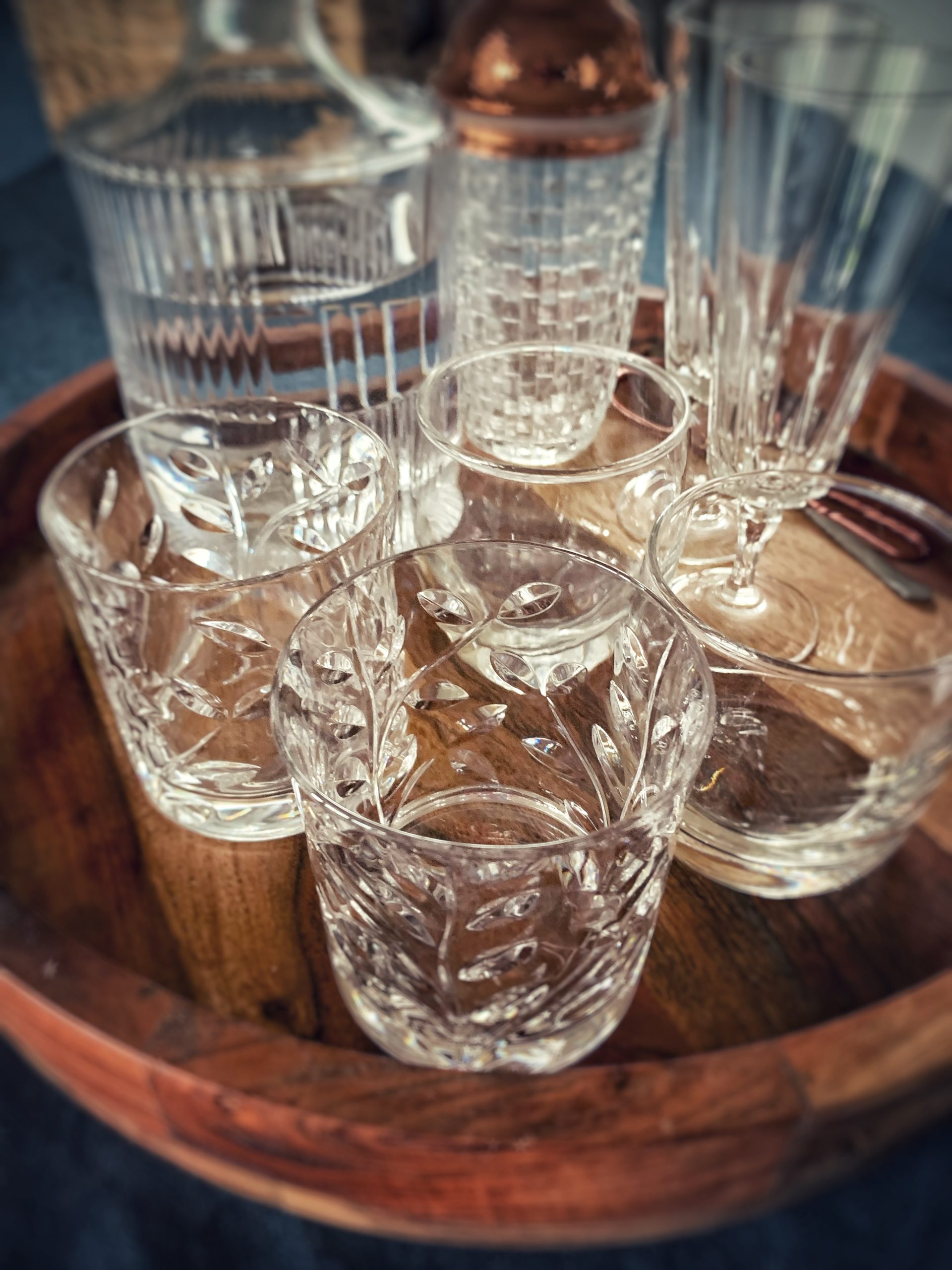
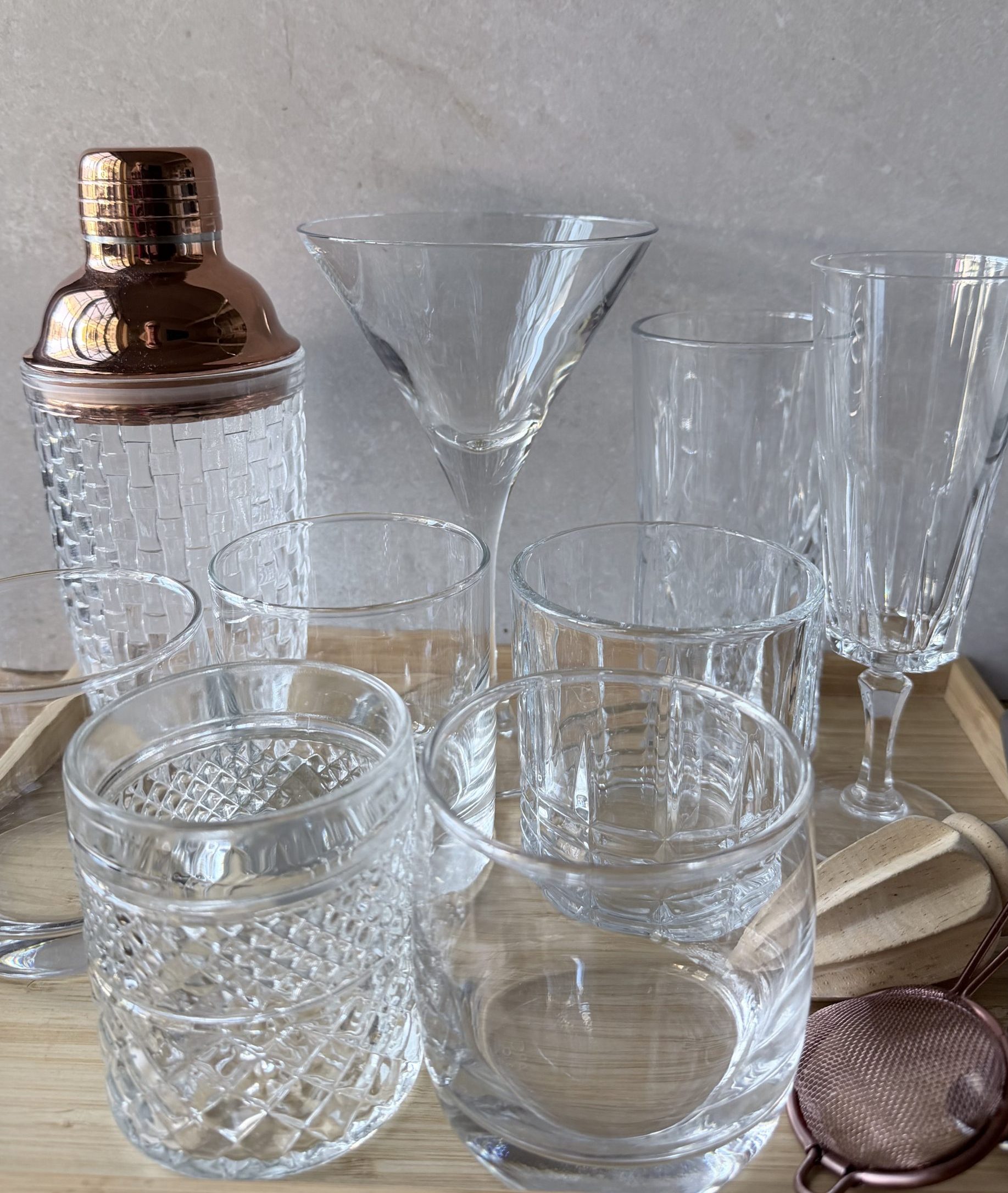
Where I would invest a little more of the budget is in nice glassware. It makes a surprising difference to the look and feel of a drink, but even here you don’t need to spend a fortune. There are plenty of reasonably priced options around, and some of my favourite glasses have come from opportunity and vintage shops for as little as $1–$4 each.
Start small, buy the best you can comfortably afford and choose pieces that can do more than one job. This is the order I would build your collection.
Basic equipment
1. Cocktail shaker
If you’re going to buy one piece of cocktail equipment, start here. You’ll use it for sours, margaritas and plenty of other shaken drinks.
2. Jigger or small measuring glass
Cocktails are all about balance, so accurate measurements matter more than you might think. You don’t need anything elaborate — you just need to be able to measure consistently.
3. Fine strainer
Particularly useful for drinks with fresh fruit, citrus pulp or egg white and for getting that clean, bar-style finish.
4. Bar spoon or long spoon
Useful for stirred drinks such as a Negroni, but an ordinary long-handled spoon will do the job perfectly well when you’re starting out.
5. Citrus juicer
If you make a lot of citrus-based drinks, this quickly earns its place. Fresh lemon and lime juice make enough of a difference that I wouldn’t skip this one. You don’t need an electric juicer unless you really want to splash out, otherwise a juicer should set you back only a few dollars.
6. Cocktail/large ice cube tray
An inexpensive addition I think is worth making to your home bar is a large ice cube tray. The oversized cubes aren’t just there to make your drink look impressive — they melt more slowly than smaller cubes, so they keep drinks served over ice cold without diluting them as quickly. They’re particularly useful for an Old Fashioned, Negroni or any short cocktail you want to sip slowly. Silicone moulds are inexpensive, easy to store and you certainly don’t need anything fancy.
Basic glassware
You could disappear down a very expensive rabbit hole buying a different glass for every style of cocktail. Don’t. Three styles will cover most drinks you’ll make at home. I prefer clear glassware as it is more versatile.
1. Rocks or Old Fashioned glasses
For Negronis, Old Fashioneds and other short drinks served over ice.
2. Coupe or martini glasses
For sours, Martinis and other cocktails served chilled without ice. If you’re choosing between the two, buy whichever style you actually like drinking from.
3. Highball glasses
For G&Ts, spritzes, long cocktails and mocktails topped with tonic or soda.
Once you know what you enjoy making, you can add more specialised glassware — Champagne glasses and anything else that takes your fancy. But you certainly don’t need them to get started.
Build Your Bar – One Bottle At A Time
This is the part of cocktail making that puts a lot of people off, and I get it. Buying even one half-decent bottle of vodka, rum or gin can set you back, so having to buy several bottles of expensive liquor just to experiment with one cocktail can feel a little eye-watering when you hand over your hard-earned cash.
If you realistically can’t see yourself using an ingredient beyond that one cocktail experiment, it probably isn’t worth buying. Instead, start with a cocktail that uses a spirit you already enjoy and ingredients you know you’ll use again — even if that particular cocktail doesn’t end up being for you.
Once your wallet has recovered and you’re ready to dip your toes a little further into cocktail making, choose another drink that uses some of what you already have and adds just one or two new bottles. Slowly but surely, you’ll find you’ve built yourself a surprisingly well-stocked bar without having to buy everything at once.
From there, it’s mostly a matter of replenishing one bottle at a time as you use things up. I try to replace my staples as they run out so I don’t find myself facing the rather grandiose purchase I did when I was first starting out.
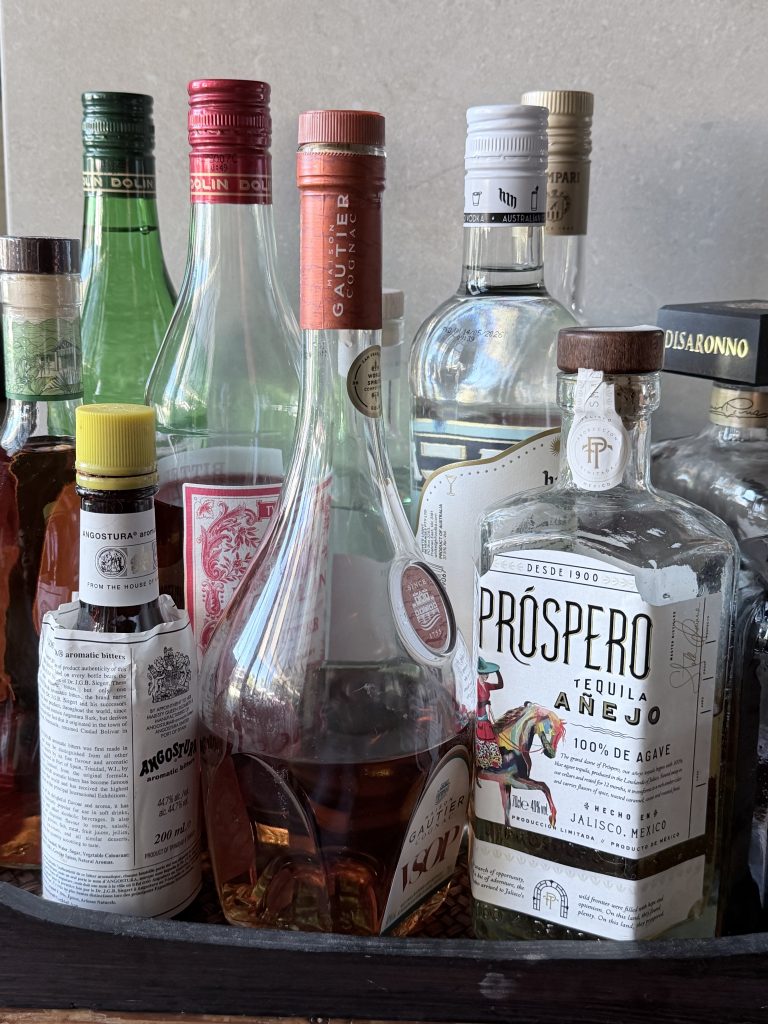
Where should you start?
There isn’t one spirit everyone needs to own. Start with what you actually like drinking. For me, that means bottles such as gin, vodka, tequila and rum. I’m not a whisky or Scotch drinker, so they don’t earn much space in my own bar. If whisky is your drink, however, that’s a far more sensible place for you to start.
The goal isn’t to own every spirit. It’s to gradually build a collection that gives you plenty of options with bottles you’ll genuinely use.
Ingredients & Mixers Worth Stocking
Once you have a few spirits stocked up, the good news is that most of the other ingredients you need to make a great cocktail or mocktail are relatively inexpensive and many are probably already on hand somewhere in your fridge or pantry. As with the spirits, I wouldn’t rush out and buy everything at once. Stock the basics, then add to them as you find drinks you enjoy making. Or buy as needed to create a particular drink.
Fresh Citrus
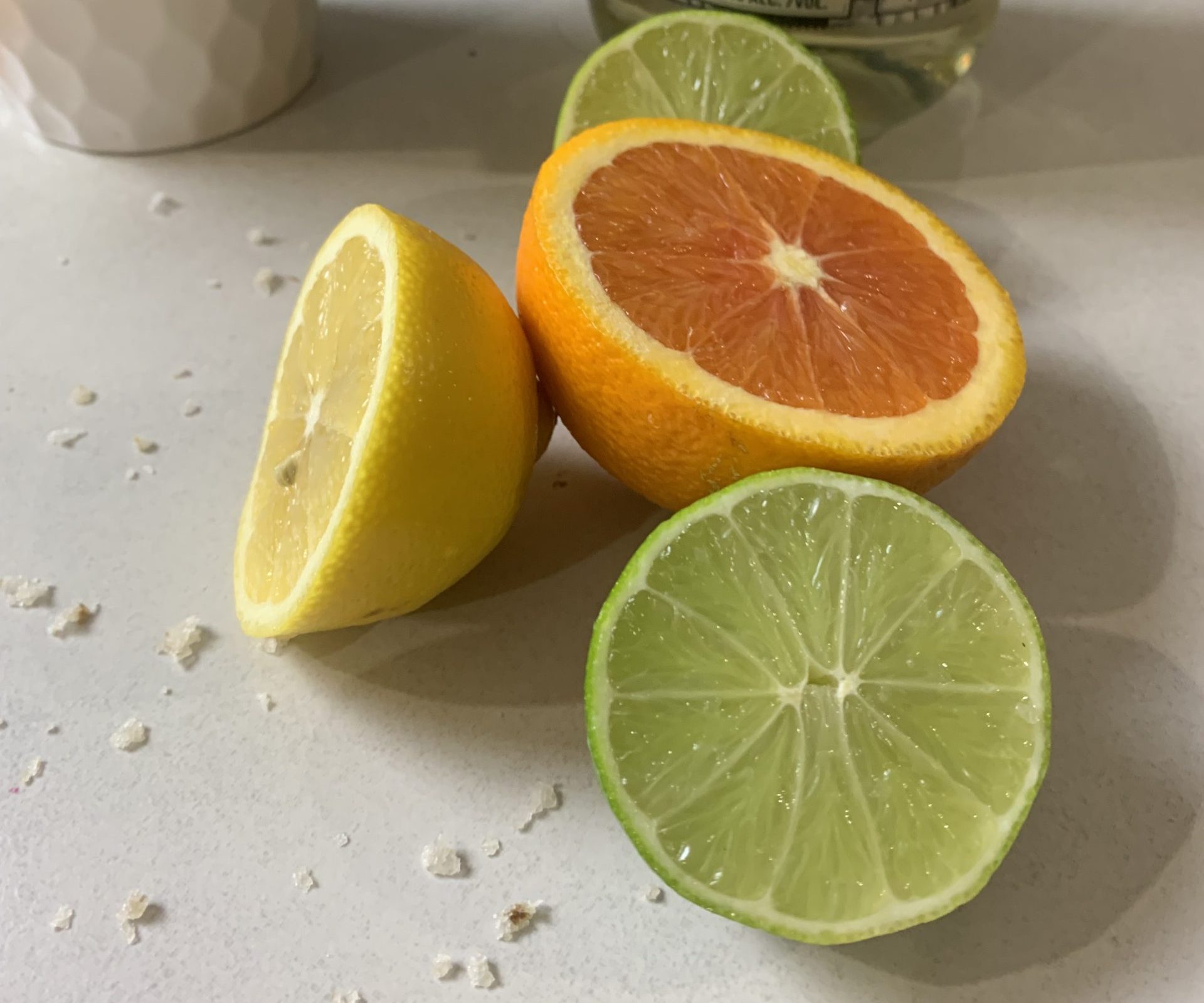
If there is one ingredient I wouldn’t take a shortcut on, it’s fresh citrus. Yes, you can use the bottled juice but it really does make a difference and not in a good way, particularly for something like a margarita that relies on the fresh lime. If it’s a small amount for acidity, can probably get away with it without disrupting the quality too much. I almost always have lemons and limes around, and will add grapefruit, oranges, mandarins or blood oranges when they’re in season. Freshly squeezed juice makes a noticeable difference, particularly in simple drinks where there isn’t much else to hide behind. Another tip – if you have a citrus tree of any kind giving you more than you can get through, or just happen to be sitting on a pile of lemons/limes, you can pre-squeeze and bottle the juice which will keep for a few weeks in the fridge, or you can peel and segment the fruit and freeze it. Frozen segmented limes makes for great frozen margaritas!
Something Sweet
You don’t need a shelf full of flavoured syrups. In fact I would not purchase a syrup, best to make it yourself as it’s super simple and you control the flavour and level of sweetness. A basic simple syrup will cover an enormous number of drinks and takes only a few minutes to make. Honey and maple syrup are also useful, and ingredients already sitting in your pantry — marmalade, jam or even brown sugar — can bring both sweetness and flavour to a drink.
Bubbles and Mixers
Soda water and a decent tonic will get you a long way, particularly if you want to make both cocktails and mocktails. Ginger beer, sparkling water and juices are worth buying when you have a particular drink in mind, but I wouldn’t stock them simply for the sake of having a “complete” bar. I recommend investing in a soda stream or something like it to make soda water and minimise the number of purchased bottles.
Bitters and a Little Salt
A bottle of bitters lasts an age and a few dashes can completely change a drink. And, perhaps unsurprisingly around here, don’t overlook salt. Whether it’s around the rim of a margarita or just a tiny pinch in the drink itself, salt can soften bitterness and bring other flavours forward without making your cocktail taste salty. Use the best flaky sea salt you can afford and find.
For Better Mocktails
You don’t necessarily need a collection of expensive non-alcoholic spirits to make a good mocktail. Tea, tonic, citrus, fruit, homemade syrups, soda and ingredients with a little bitterness can all help create the complexity that’s often missing when you simply remove the alcohol.
My rule is much the same as it is with spirits: buy ingredients because you know you’ll use them and enjoy them regardless of the recipe, not because somebody else’s home bar checklist says you should have them.
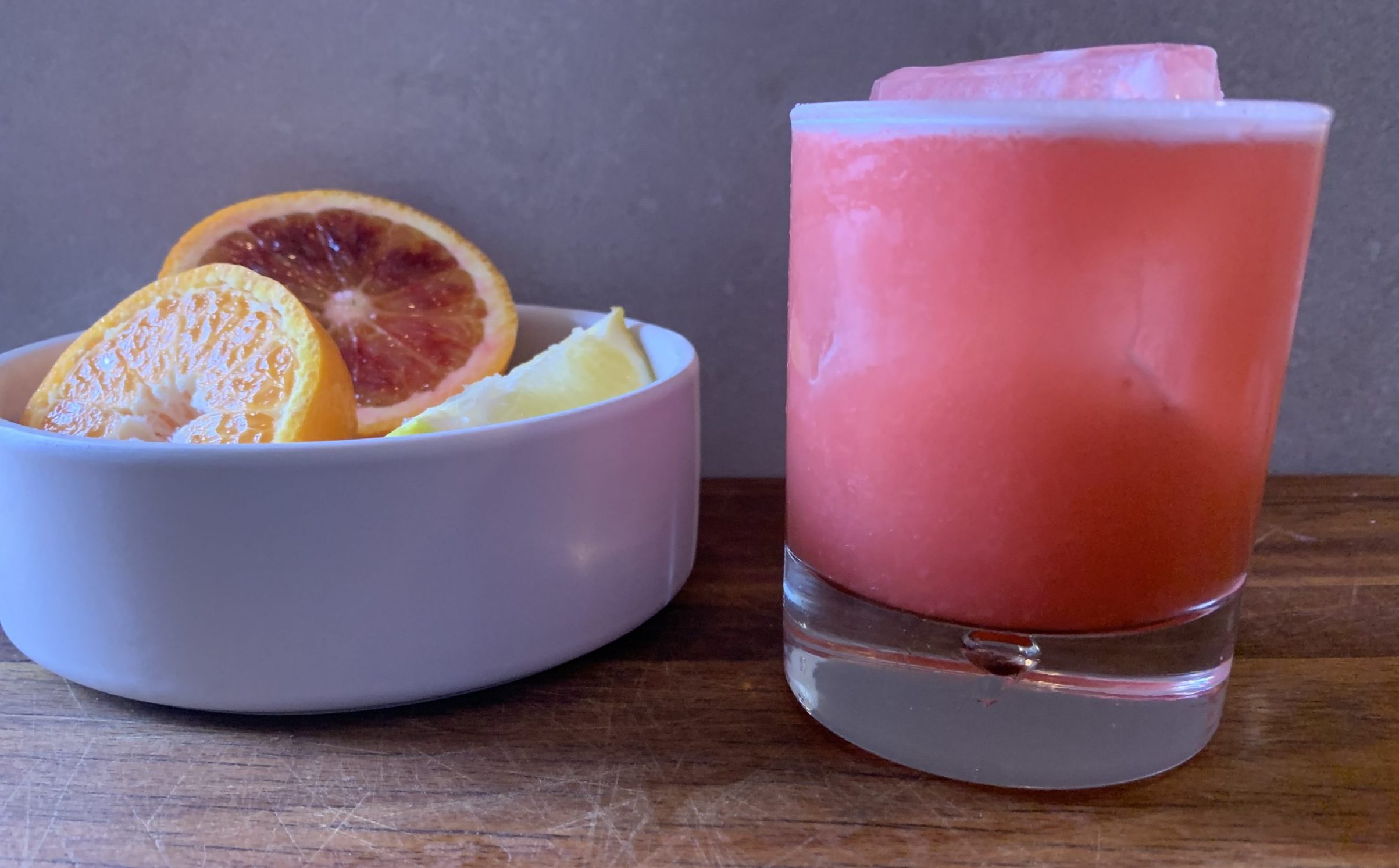
Fresh Quality Ingredients Matter
With relatively few ingredients in most cocktails and mocktails, there isn’t much room for a lacklustre ingredient to hide. That doesn’t mean everything needs to be expensive or made from scratch, but what you use should bring something worthwhile to the glass.
The same applies to the alcohol. You don’t need the most expensive gin, tequila or rum on the shelf, particularly when you’re mixing it with other ingredients, but I wouldn’t automatically reach for the cheapest either. Start with a decent-quality spirit that you actually enjoy drinking and your budget allows. If you don’t like the flavour going into the shaker, adding citrus and syrup isn’t necessarily going to rescue it.
Use ripe, seasonal fruit when you can, choose mixers you genuinely enjoy drinking on their own and don’t underestimate everyday ingredients already sitting in your kitchen. Good honey, maple syrup, marmalade, jam, fresh herbs and spices can all bring far more flavour and interest than another expensive bottle destined to gather dust at the back of the cupboard.
This is also where I think it’s worth being selective about effort. Some homemade ingredients can completely transform a drink; others take a lot of time for very little reward. Make it yourself when the flavour justifies it and happily take the shortcut when it doesn’t. However, I stand firmly in the no pre-mix camp. I get it, they are convenient and there are some good ones out there. This is about making a cocktail or mocktail at home and enjoying the experience – just can’t get that from a pre-mix in my view. Save it for when you really can’t be bothered rather than when you are trying to lift your drink making game.
As with cooking, better ingredients give you a better starting point. Use the best that makes sense for the drink and your budget — not simply the most expensive.
Balance Is Key
A great cocktail or mocktail is all about balance, but balance doesn’t mean exactly the same thing to everyone. It shouldn’t be overwhelmingly sweet, mouth-puckeringly sour or so boozy that you can’t taste anything else in the glass, but where that sweet spot sits will depend on your own taste.
Most drinks have some combination of sweet, sour, strong and sometimes bitter, along with dilution from ice. Get those elements working together and even a relatively simple drink can be excellent.
The easiest way to find that balance is also the most obvious: taste it. Recipes are a starting point, particularly when you’re working with fresh ingredients that naturally vary. One lemon might be sharper than another, fruit can be sweeter depending on the season and different spirits bring their own character.
If it’s too sour for you, add a little more sweetness. Too sweet, try a little more acidity. If the alcohol dominates, don’t immediately reach for more syrup — the drink may simply need a little more dilution. And if everything tastes a bit flat, a touch of acidity, bitterness or even a tiny pinch of salt can sometimes bring it together.
Most importantly, make the drink you want to drink. I tend to prefer my cocktails less sweet, a little strong and with a little more bite, but that doesn’t make it the right balance for everyone. Make small adjustments, taste as you go and find the balance that works for you — or for whoever you’re making the drink for.
Mocktails Are A Star Not An Afterthought
A mocktail should feel every bit as considered as the cocktail being served alongside it or the cocktail its replacing. Simply removing the alcohol from a cocktail or pouring juice and soda into a nice glass doesn’t necessarily make for an interesting drink. Without alcohol bringing flavour, bitterness, warmth and complexity, you often need to build some of those elements back in.
This is where tea, fresh fruit, citrus, interesting syrups, tonic, spices, herbs and non-alcoholic aperitifs can all earn their place. Texture can help too — aquafaba, egg white or a cocktail foamer can turn a simple alcohol-free sour into something that looks and feels like as special as its alcohol infused cousin.
Most importantly, don’t treat the person choosing not to drink as an afterthought. Whether it’s for the designated driver, someone taking a break from alcohol or simply someone who doesn’t drink at all, make them something you’d be equally happy to have in your own glass if like me, cocktails are more your thing.
A good mocktail shouldn’t make you miss the alcohol. It should be a drink worth ordering in its own right.